
Explore top smart security systems to enhance your smart home’s safety and convenience. Protect your home with advanced technology
The concept of a smart home has evolved from a futuristic fantasy to a practical reality. With the rapid advancement of technology, homes are now more connected than ever, offering convenience, efficiency, and security. However, while the focus is often on automation and comfort, smart security systems should be the top priority. Understanding the seven must-have security features for a smart home is not just about embracing innovation but also about safeguarding your home and loved ones.
In this article, we will discuss why it is necessary to understand these smart security systems, the benefits smart city residents gain from implementing them, how to integrate them effectively, and the consequences of neglecting them.

Why Is It Necessary to Understand Smart Security Systems?
While living in cities security should be forefront of when designing any home. But why is it necessary to understand this concept?
1. Protection Against Cyber Threats
Smart homes rely on interconnected devices that operate through the internet. Without proper safety measures, hackers can gain access to security cameras, smart locks, and even personal data. Implementing smart security systems ensures that homeowners can protect their privacy by using strong passwords, encrypted connections, and regular firmware updates.
2. Preventing Physical Intrusions
A smart home is not just about convenience; it is also about security. Features like smart locks, surveillance cameras, and motion sensors deter burglars and unauthorized access. Without a proper understanding of these tools, you might be leaving loopholes for potential threats.
3. Mitigating Fire and Gas Hazards
Many smart safety features, such as smart smoke and carbon monoxide detectors, provide real-time alerts in case of danger. If homeowners fail to install or correctly utilize these devices, they risk missing early warnings that could prevent catastrophic damage and loss of life.
4. Enhancing Emergency Response
Smart homes integrate with emergency response systems, such as automated alerts to local authorities or family members in case of a break-in, fire, or medical emergency. Knowing how these systems work ensures a faster response time, potentially saving lives and preventing property loss.
What Can Smart City Residents Gain from Understanding
Smart Security Systems?
Smart city residents often live in highly connected environments where technology is a part of daily life. Here’s what they can gain by implementing Smart Security Systems
1. Increased Security and Peace of Mind
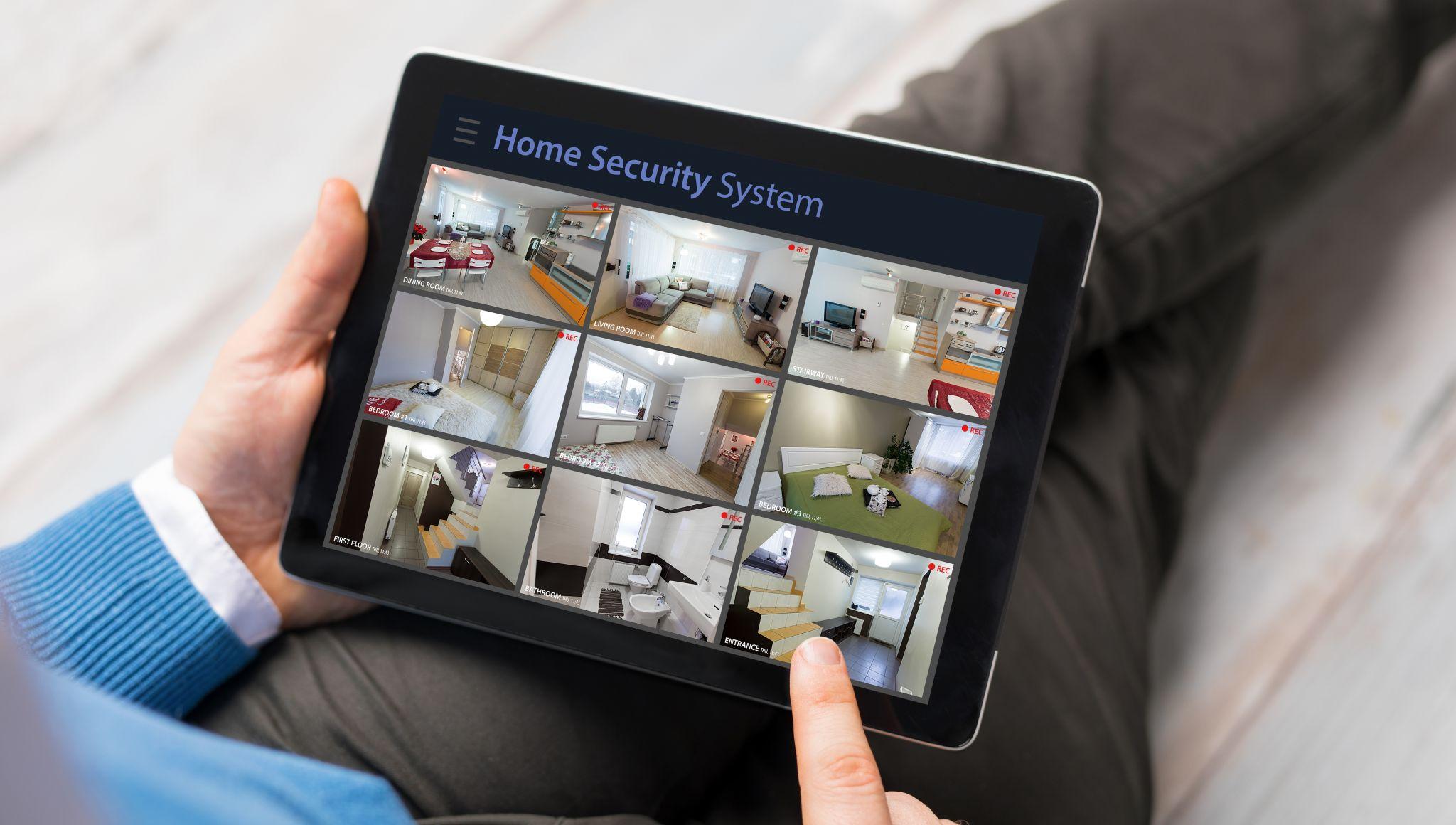
Understanding and implementing smart security systems ensures better protection for families and valuables. Residents can monitor their homes remotely, receive instant alerts, and take immediate action to enhance safety.
2. Enhanced Property Value
Homes equipped with advanced smart security systems have higher market value. Prospective buyers or renters are more inclined to invest in properties that prioritize security and technological innovation.
3. Integration with Smart City Infrastructure
Many smart cities have centralized security and emergency response systems. A well-equipped smart home can seamlessly integrate with these systems, ensuring a more efficient and coordinated response to security threats and emergencies.
4. Convenience and Automation
Smart safety features, such as automated lighting and geofencing, make life easier. Homeowners can schedule security measures even when they are away, ensuring their home remains protected at all times.
How Should Smart Security Systems to Be Implemented?
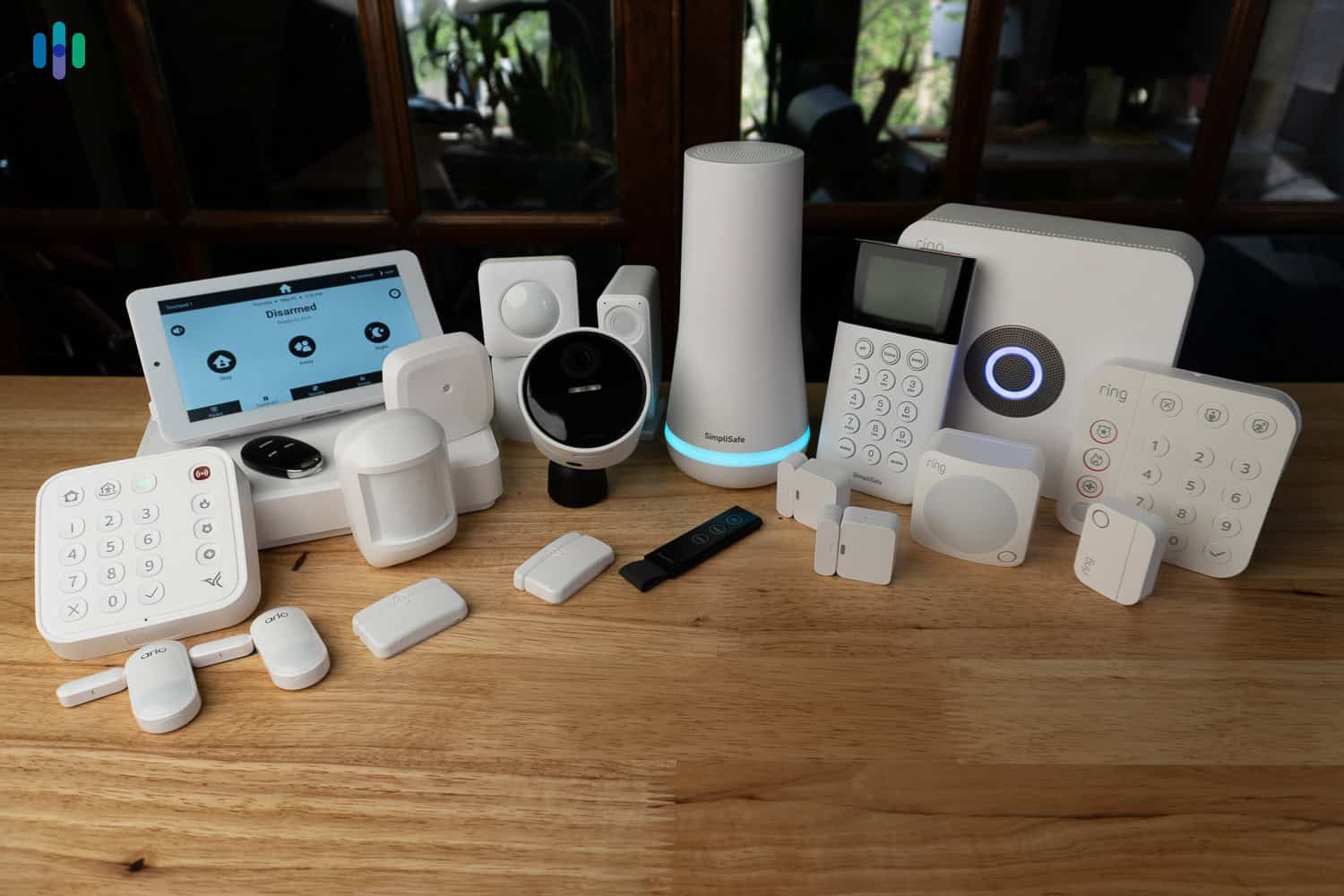
To fully benefit from a smart security system, homeowners must take a systematic approach to implementation. Proper setup ensures maximum safety, protection from cyber threats, and seamless integration of security devices. Here’s how to implement smart home safety features effectively:
1. Install Smart Locks and Video Doorbells
Smart locks and video doorbells are the first line of defence for home security. Biometric locks or app-controlled keyless entry systems eliminate the risk of lost keys while enhancing convenience. Video doorbells with AI-powered facial recognition help identify visitors, reducing the chances of unauthorized access. To further enhance security, enable two-factor authentication (2FA) for remote access control, ensuring only authorized users can operate the locks.
2. Use Smart Motion Sensors and Alarms
Motion sensors detect unauthorized movements, making them essential for indoor and outdoor security. Install them at entry points, windows, and hallways for optimal coverage. Integrating these sensors with smart alarms ensures real-time notifications and instant responses to potential threats. Users can program custom alerts for different types of movement, distinguishing between pets, family members, and intruders.
3. Deploy Smart Surveillance Cameras
Installing high-resolution smart cameras with night vision is essential for round-the-clock security. These cameras should be strategically placed at entry points and blind spots. Cloud storage integration ensures continuous recording, allowing homeowners to access footage anytime. Motion-detection alerts linked to smartphones provide instant notifications of unusual activity, helping to prevent potential security breaches before they escalate.
4. Secure Wi-Fi Networks and Smart Devices
Since smart security systems rely on the internet, securing your home network is vital. Use strong passwords, enable WPA3 encryption, and regularly update router firmware. Smart devices should have up-to-date software to patch security vulnerabilities. Firewalls and VPNs add an extra layer of protection, preventing hackers from accessing your security system remotely.
5. Implement Smart Fire and Carbon Monoxide Detectors
Fire and gas leaks pose serious threats to any household. Smart fire and CO detectors provide real-time mobile alerts when abnormal levels of smoke or gas are detected. These devices can be linked to smart home assistants for voice alerts and automated emergency responses. Regular testing and maintenance of these detectors are crucial to ensure they function properly during emergencies.
6. Automate Emergency Responses
Smart home security isn’t just about prevention—it’s also about quick response. Integrating emergency contacts and services with your security system ensures instant help during crises. AI-powered monitoring can detect unusual patterns in home activity, such as unexpected door openings at odd hours. Geofencing technology can also trigger safety measures like auto-locking doors and activating alarms when the homeowner leaves the premises.
7. Regularly Monitor and Update Security Systems
Smart home security needs continuous improvement to counter evolving threats. Homeowners should conduct monthly security audits, ensuring all devices function correctly. Replacing outdated hardware keeps security up to date with the latest technology. Staying informed about emerging security trends helps homeowners implement proactive measures and maintain strong defences against cyber and physical threats.
What Happens If smart security systems Are Not Implemented?
Neglecting smart home safety features can lead to serious consequences, including:
1. Increased Risk of Burglaries and Unauthorized Access
Without smart locks, cameras, or motion sensors, homes become easy targets for criminals. Burglars can exploit security gaps, leading to theft or worse.
2. Higher Vulnerability to Cyber Attacks
Hackers can exploit unprotected smart devices to gain access to personal information, security feeds, or even control home functions remotely. This can result in identity theft, financial fraud, or privacy breaches..
3. Delayed Emergency Responses
Without automated emergency alerts, response times can be slow in case of fires, gas leaks, or medical emergencies. This delay can lead to property damage, injuries, or loss of life.
4. Financial Losses Due to Damage or Theft
A lack of security measures can lead to property loss, insurance claims, and expensive damages that could have been prevented with basic smart home safety measures.
5. Compromised Family Safety
The primary purpose of any home is to provide safety and comfort. Without proper security measures, family members—especially children and elderly individuals—are at a higher risk of danger.
The transition to smart homes brings unparalleled convenience, but it also introduces new security challenges. Understanding and implementing the 7 must-have smart security systems is essential for protecting both assets and loved ones. Smart city residents, in particular, stand to benefit greatly by integrating these features into their homes, ensuring enhanced security, automation, and peace of mind.
By following best practices in installation and regularly updating security measures, homeowners can stay ahead of threats and create a truly safe smart home environment. However, ignoring these safety essentials can lead to costly consequences that could have been easily avoided. Prioritizing smart home security is not just an option—it’s a necessity in today’s technology-driven world.
If you are homeowner who wants to secure your smart home with all these smart security systems solutions in most effective way. Then you to book a 60-minute, absolutely free design strategy call with us.
ou can get to know more about How you can design smart security systems while making your Smart Home by watching the video. This video will benifit you to understand 3 Secrets to craft your perfect Smart Home that Enhances Security, maximizes space, Reduce utility bills, and Makes Daily Living Effortless . click here to watch the video
