
Smart home automation solutions that optimize energy use, enhance efficiency, and lower utility bills. In an era where energy costs are rising and environmental concerns are growing, homeowners are increasingly seeking smarter ways to reduce waste and save money.
Smart Home automation has emerged as a powerful solution, transforming the way we manage energy consumption. From smart thermostats to intelligent irrigation systems, these innovations provide both convenience and sustainability. Whether you're looking to cut down on electricity costs or embrace a greener lifestyle, these automation solutions will help you achieve a smarter, more energy-efficient home.
Why Is It Necessary to Understand Smart Home Automation for Energy Savings?
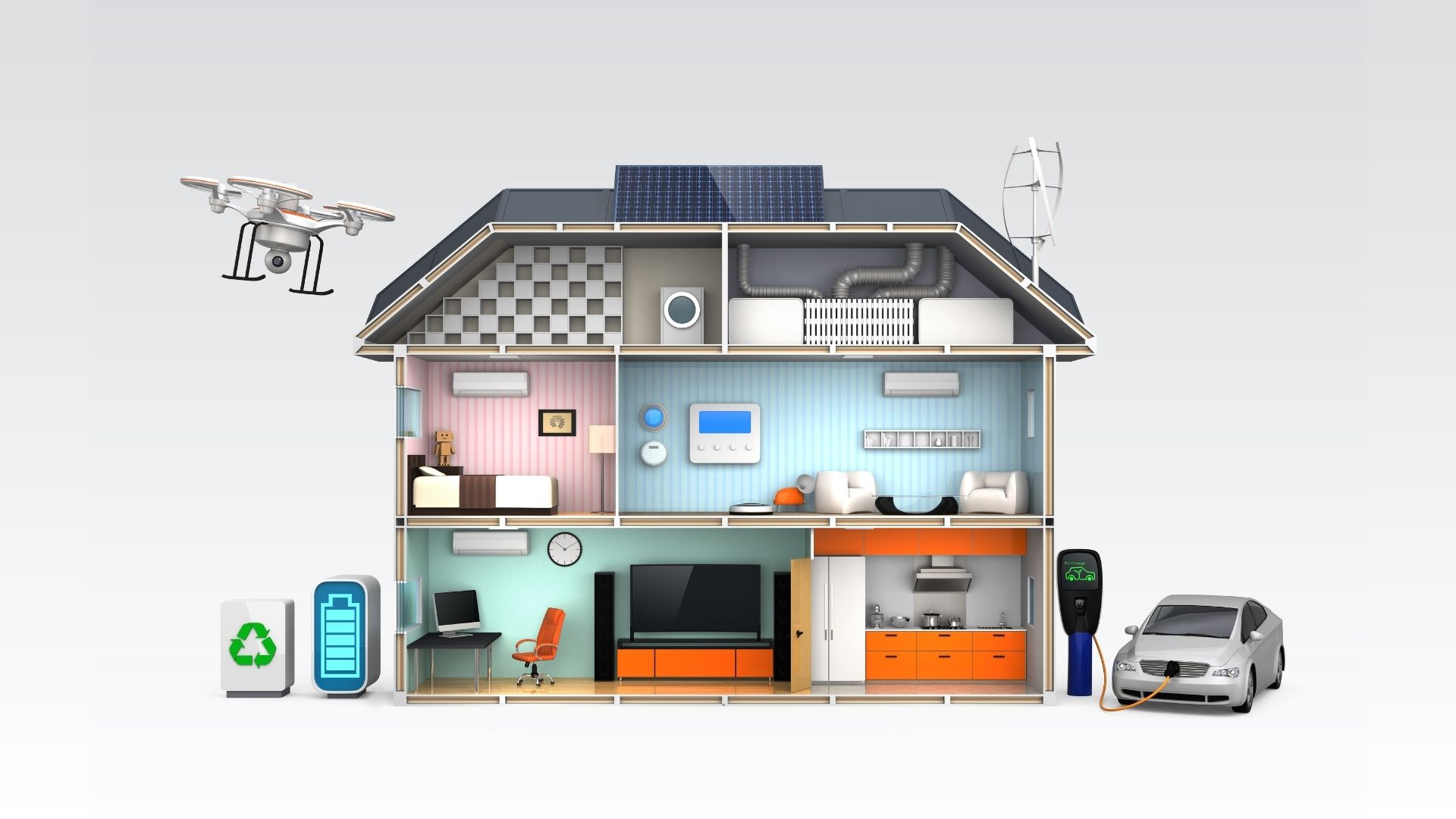
Smart Home automation is no longer a luxury, it’s a necessity for smart homeowners looking to save money and contribute to a sustainable future. Energy consumption is at an all-time high, and inefficient usage leads to unnecessary expenses and environmental degradation. By understanding home automation solutions that cut energy waste, homeowners can optimize energy consumption, lower utility bills, and create an eco-friendly living environment.
Smart home automation not only enhances convenience but also plays a crucial role in energy management. It helps track energy usage patterns, reduces wastage, and ensures that appliances run only when needed. By gaining knowledge about these solutions, homeowners can make informed decisions about integrating technology into their interiors, ultimately leading to cost savings and a greener lifestyle.
What Can Smart City Homeowners Gain from Understanding Smart Home Automation?
For homeowners designing their interiors in smart cities, home automation offers multiple benefits beyond just aesthetics. Here’s what they gain:
By understanding and implementing these technologies, homeowners can align their interior designs with smart, sustainable living solutions that maximize efficiency without compromising comfort.
10 Genius Smart Home Automation Solutions to Cut Energy Waste & Save Money
1. Smart Water Heaters
Traditional water heaters continuously maintain hot water, consuming energy even when not needed. Smart water heaters optimize energy use by learning household patterns and heating water only when necessary. These devices allow remote temperature adjustments via apps and can be programmed to operate during off-peak hours, reducing costs.
Some models even integrate with solar panels for greater efficiency. Leak detection and auto shut-off features prevent water and energy wastage. By minimizing standby heat loss and ensuring water is heated only when needed, smart water heaters help homeowners cut energy bills while maintaining a steady supply of hot water.
2. Automated Lighting Systems
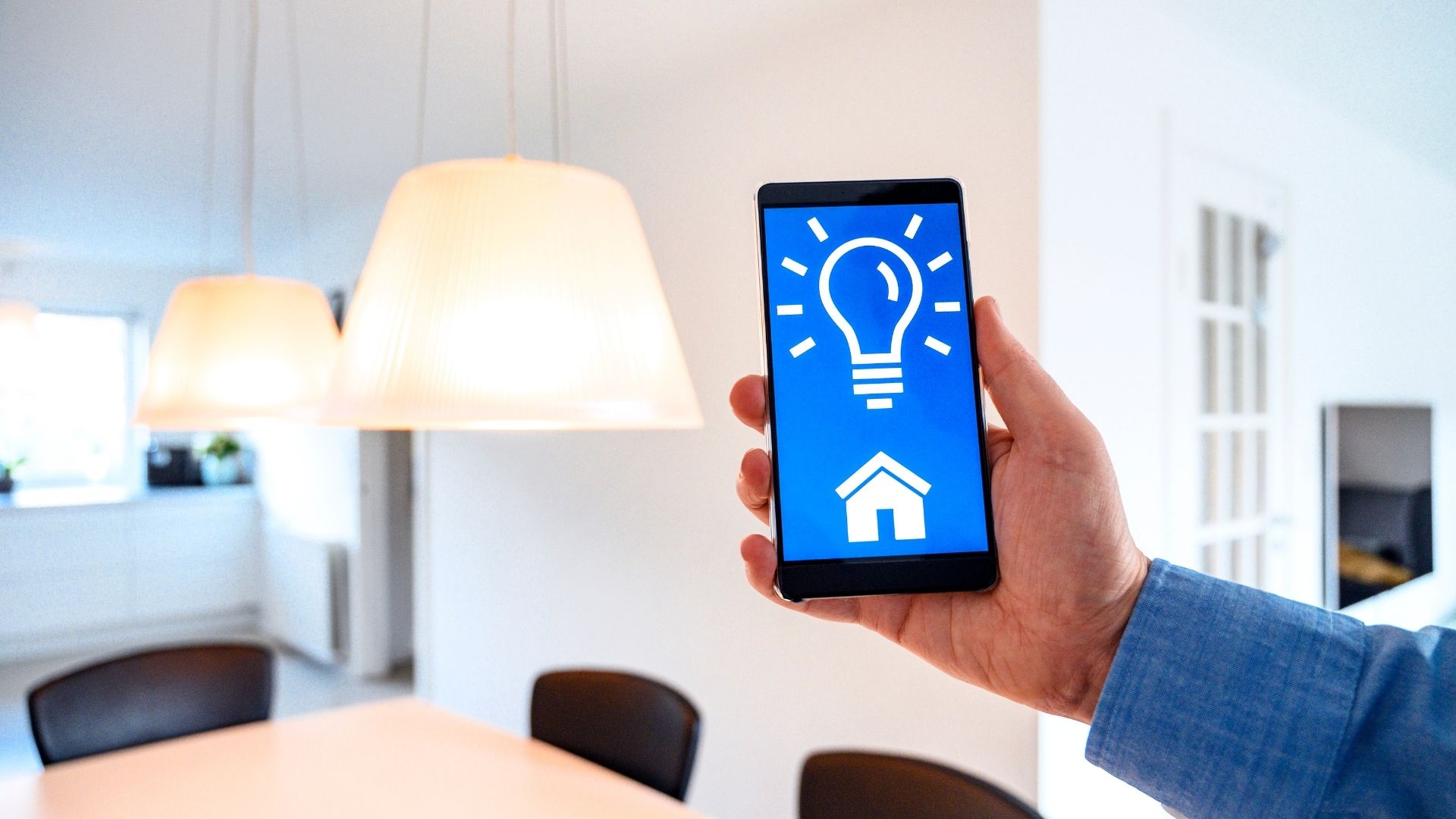
Automated lighting systems use motion sensors, timers, and smart controls to ensure lights are only on when needed. These systems can be programmed to turn off lights in empty rooms or dim them during certain hours to save electricity. Smart LED bulbs are an excellent addition, consuming up to 75% less energy than traditional bulbs and lasting significantly longer.
Many smart home automation systems integrate with voice assistants like Alexa or Google Assistant, allowing seamless control. With scheduling features, homeowners can mimic occupancy while away, enhancing security. Such systems not only reduce energy bills but also contribute to a sustainable lifestyle.
3. Smart Power Strips
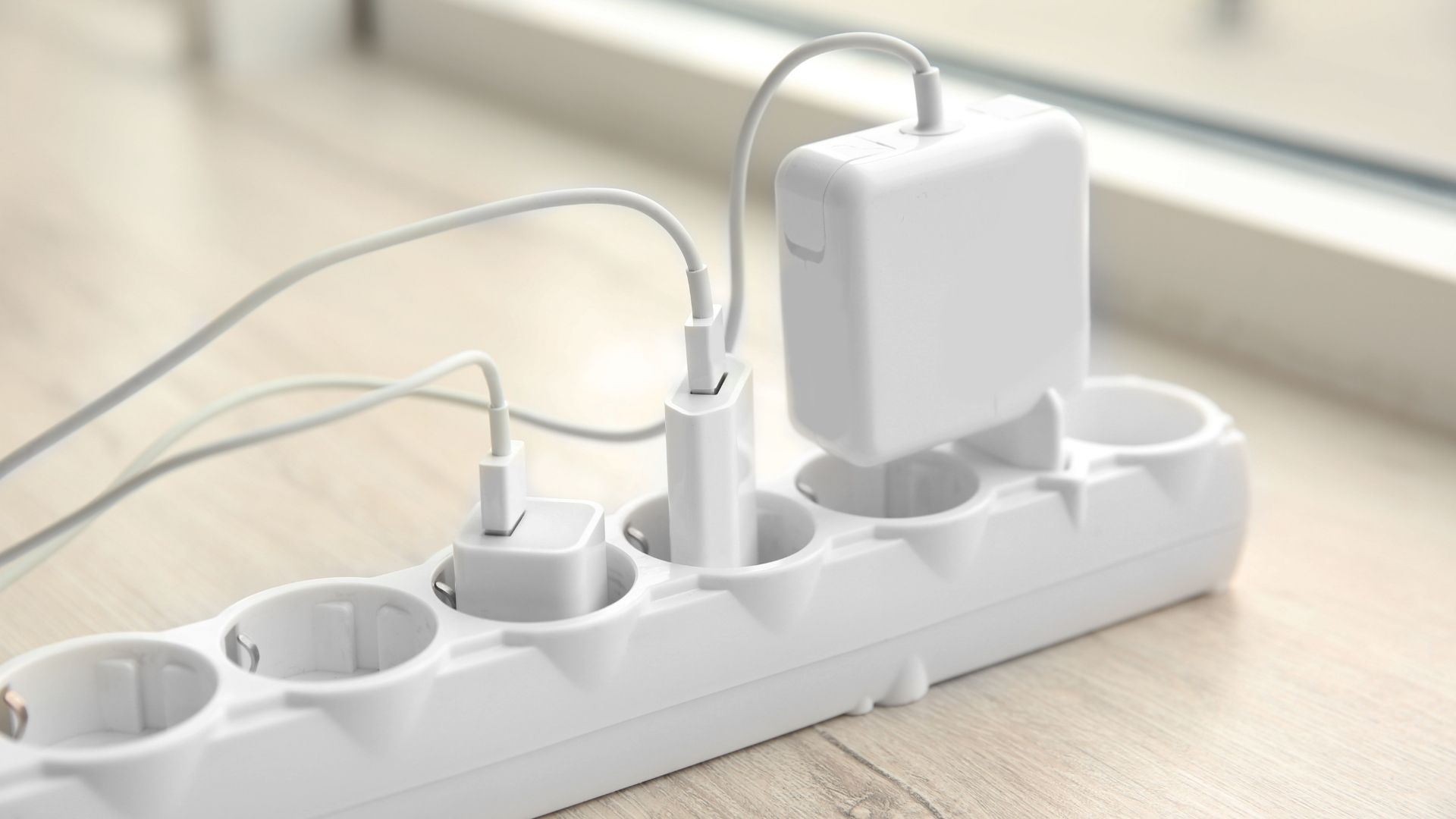
Traditional power strips allow devices to remain in standby mode, continuously drawing power—a phenomenon called phantom energy drain. Smart power strips eliminate this waste by cutting off power to unused devices automatically. They can detect when a primary device, such as a TV or computer, is turned off and then shut off power to all related peripherals, like gaming consoles or printers.
Some models offer app-controlled individual outlets, allowing remote management. By preventing unnecessary electricity consumption, these power strips can significantly reduce overall energy costs, making them an essential tool for an energy-efficient smart home.
4. Energy-Efficient Smart Plugs
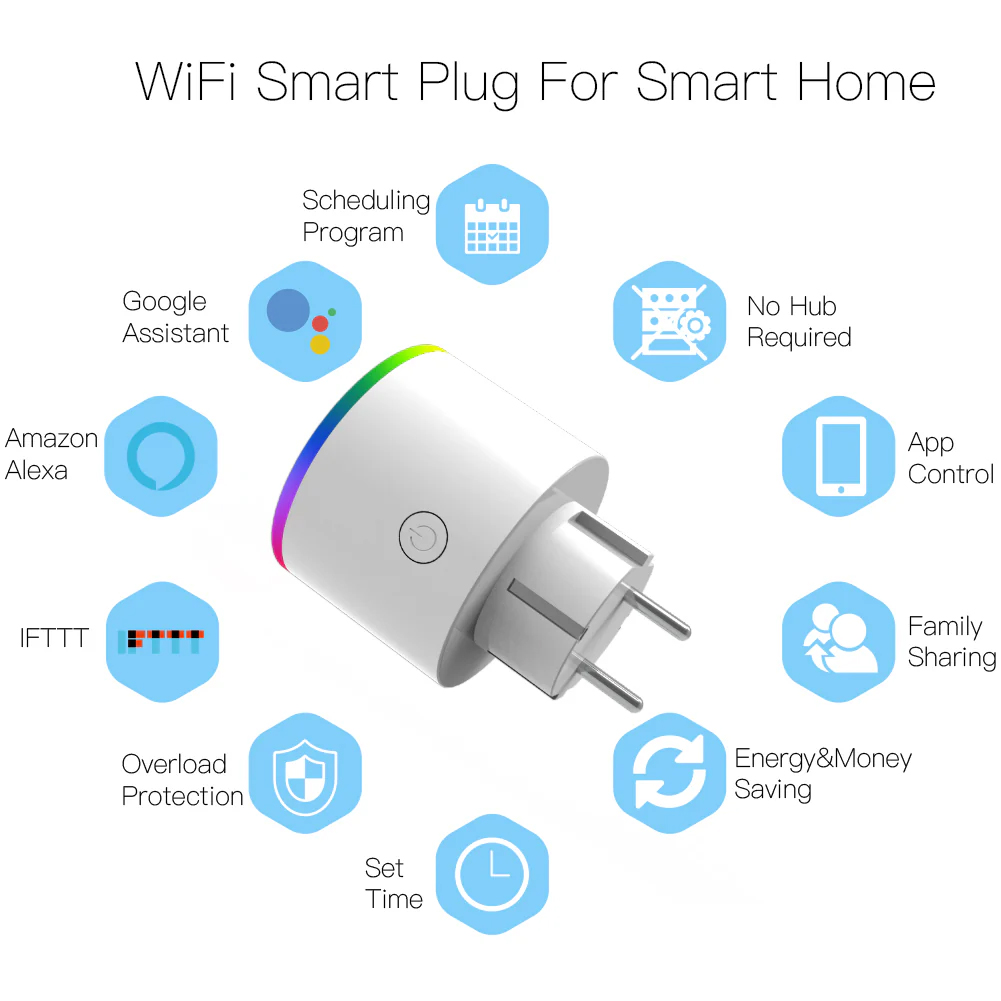
Smart plugs transform ordinary appliances into energy-efficient devices by offering remote control and scheduling features. With smartphone apps, users can turn devices on and off from anywhere, ensuring they are not left running unnecessarily.
Many models provide energy usage data, helping homeowners track and reduce consumption. For example, a smart plug can turn off a coffee maker after use or schedule a fan to run only during peak heat hours. Some even integrate with voice assistants for hands-free operation. By using smart plugs strategically, households can cut down on wasted electricity and lower utility bills.
5. Solar-Powered Smart Home Integration
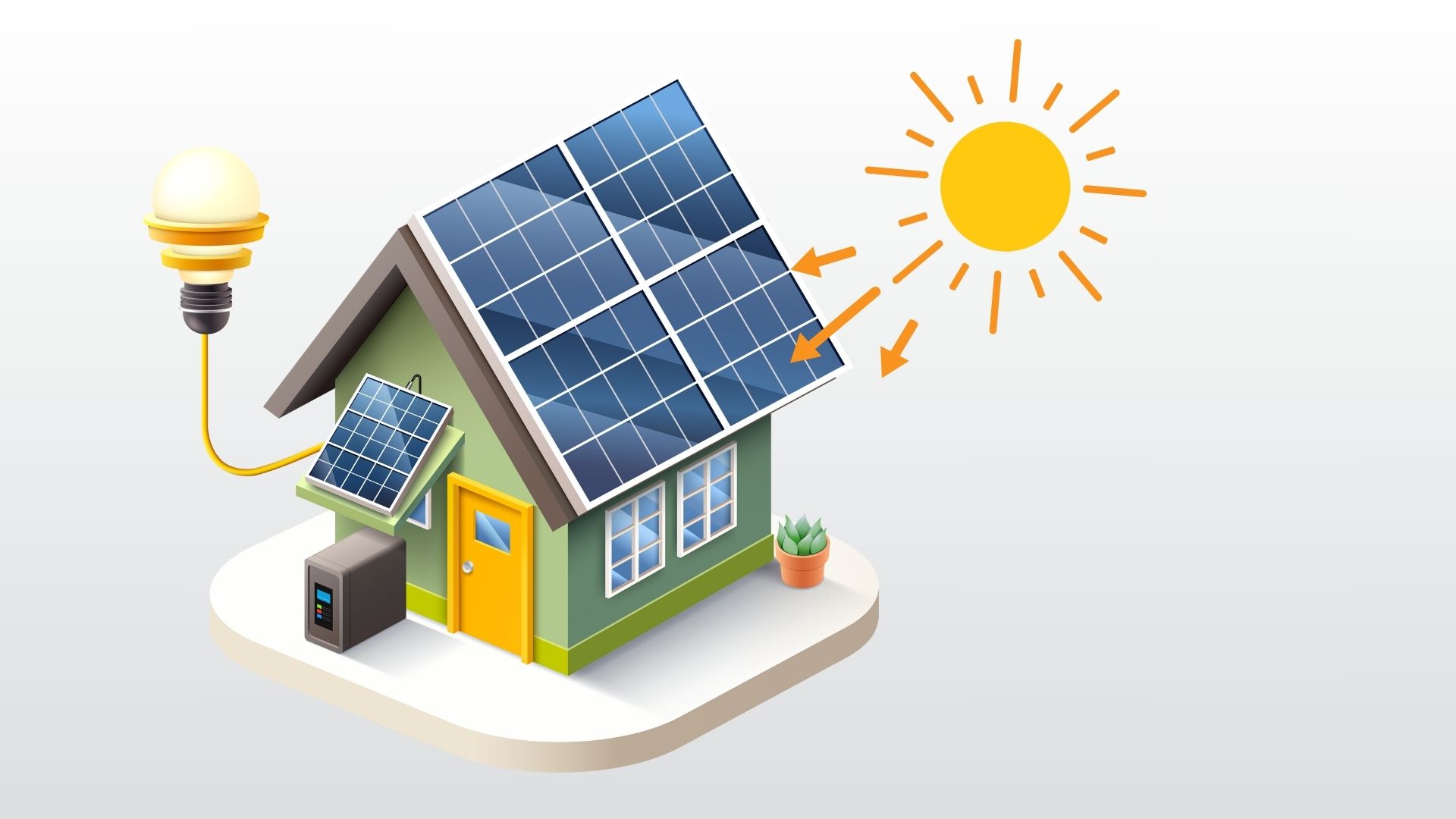
Integrating solar panels with smart home automation optimizes renewable energy usage, significantly lowering electricity bills. Smart systems can store excess solar power in home batteries and strategically distribute energy during peak hours.
AI-driven management platforms analyze energy production and consumption, ensuring efficient usage. Some setups prioritize running high-energy appliances, like dishwashers or washing machines, when solar energy production is at its peak.
Additionally, smart inverters enable seamless energy distribution between the home and the grid. This integration not only maximizes sustainability but also provides backup power during outages, making homes more self-sufficient and cost-effective in the long run.
6. Intelligent Window Treatments
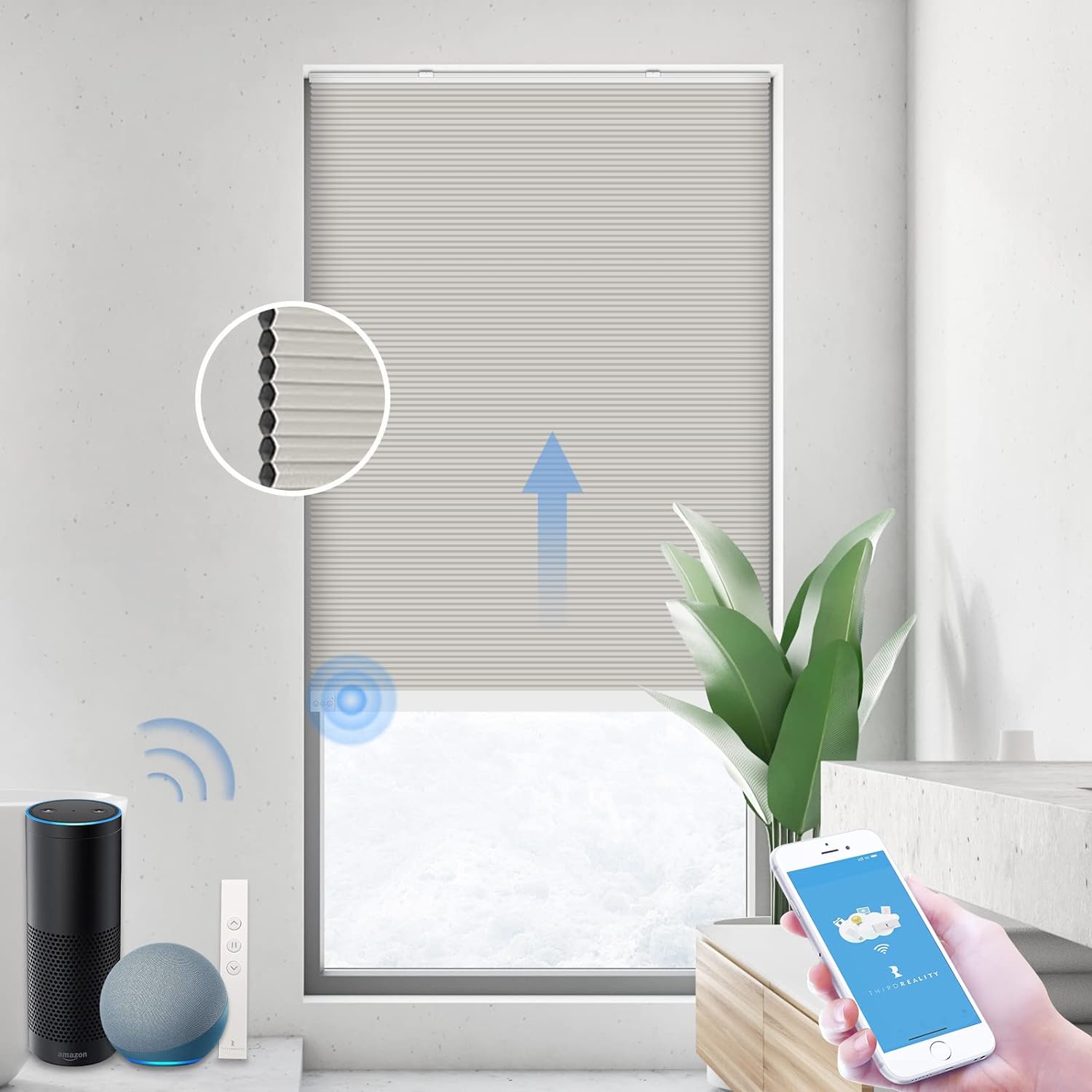
Motorized blinds and curtains enhance home energy efficiency by adjusting based on time of day, temperature, or sunlight intensity. These smart window treatments can be scheduled to close during peak heat hours in summer to reduce cooling costs or open during winter mornings to let in natural warmth.
Some models integrate with weather sensors, automatically responding to real-time conditions for optimal energy savings. Smart shades can be controlled remotely via apps or voice assistants, providing convenience and security. By reducing reliance on heating and air conditioning, intelligent window treatments contribute to both energy conservation and increased home comfort.
7. Automated HVAC Systems
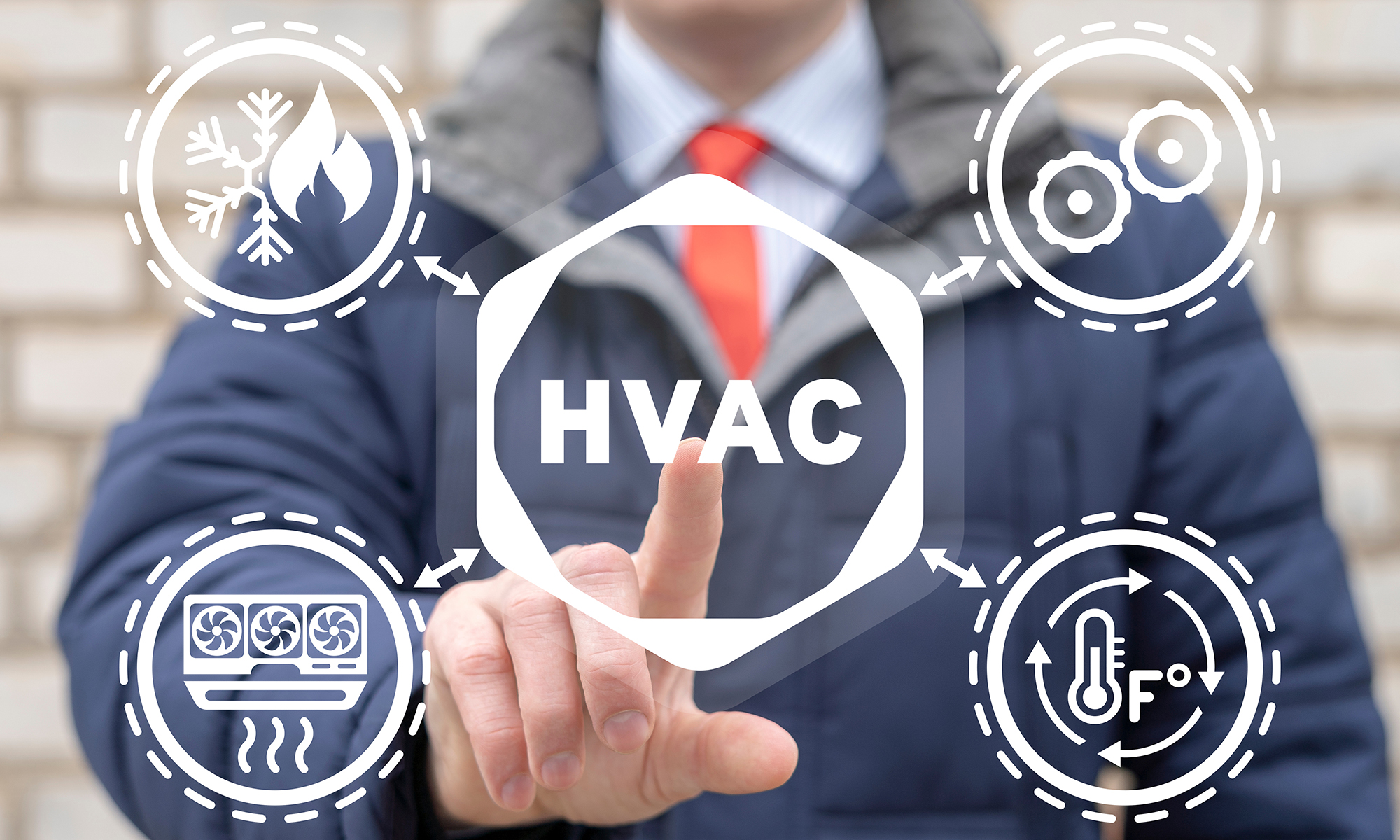
Automated HVAC systems use advanced sensors to monitor indoor air quality, humidity, and temperature, adjusting heating and cooling accordingly. Smart vents regulate airflow in different rooms, ensuring even distribution and reducing strain on the system. AI-driven climate control adapts to occupants' preferences while maximizing energy efficiency.
Many systems integrate with smart thermostats, allowing remote control and predictive scheduling based on weather forecasts. Some also feature maintenance alerts, helping prevent costly breakdowns. By optimizing heating, ventilation, and air conditioning, these systems enhance comfort while significantly reducing energy waste and operational costs.
8. Smart Thermostats
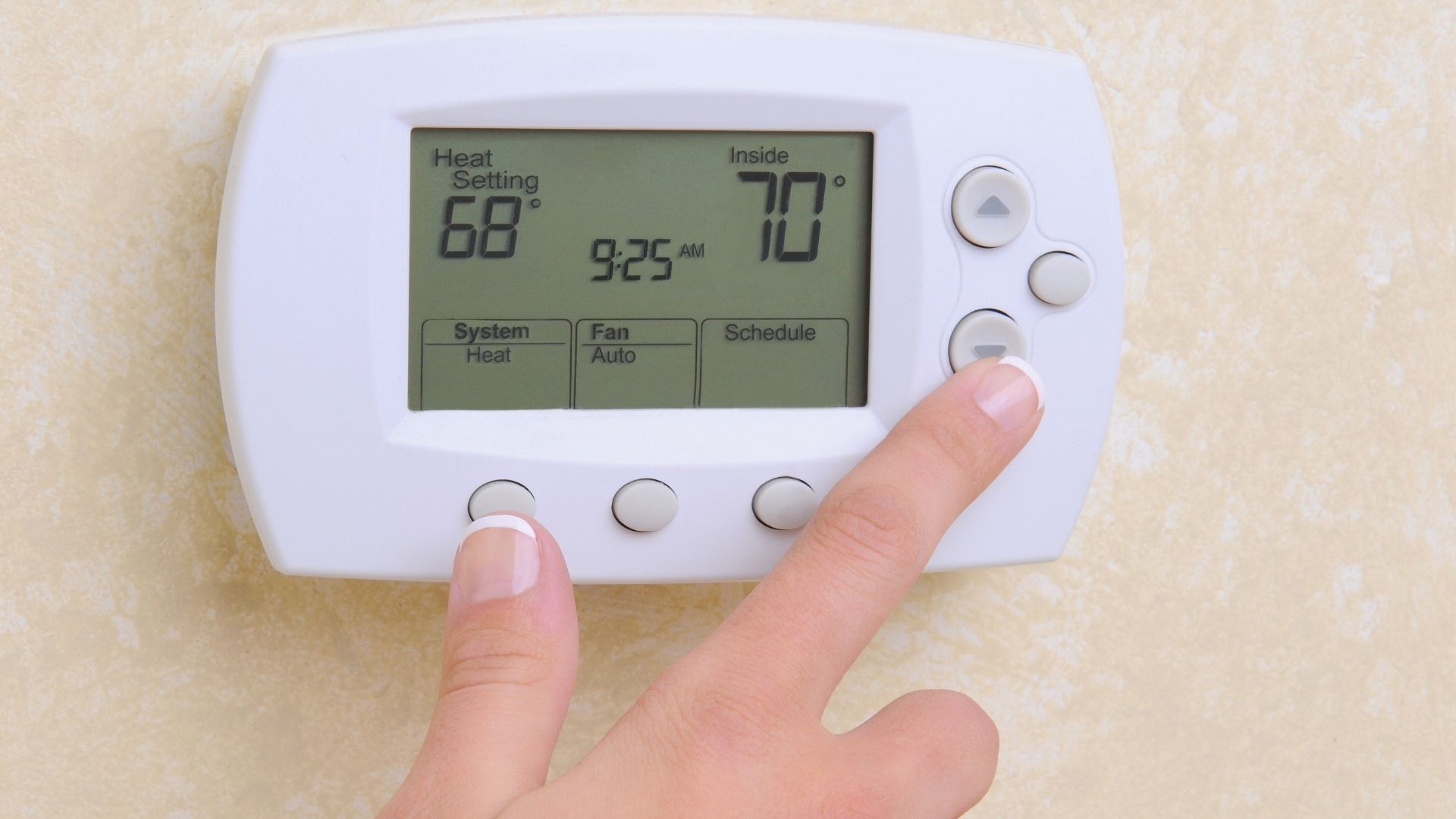
Smart thermostats, like Nest and Ecobee, revolutionize home climate control by learning your daily routines and adjusting temperatures accordingly. They prevent unnecessary heating or cooling when no one is home, reducing energy waste and lowering bills. These devices provide remote access via smartphone apps, allowing homeowners to modify settings on the go.
Many models generate detailed energy reports, helping users analyze usage patterns and optimize efficiency. Some even use geofencing to detect when you’re approaching home and adjust temperatures in advance, ensuring comfort without excess consumption. Smart thermostats can cut energy costs by up to 20%, making them a valuable investment.
9. Smart Irrigation Systems
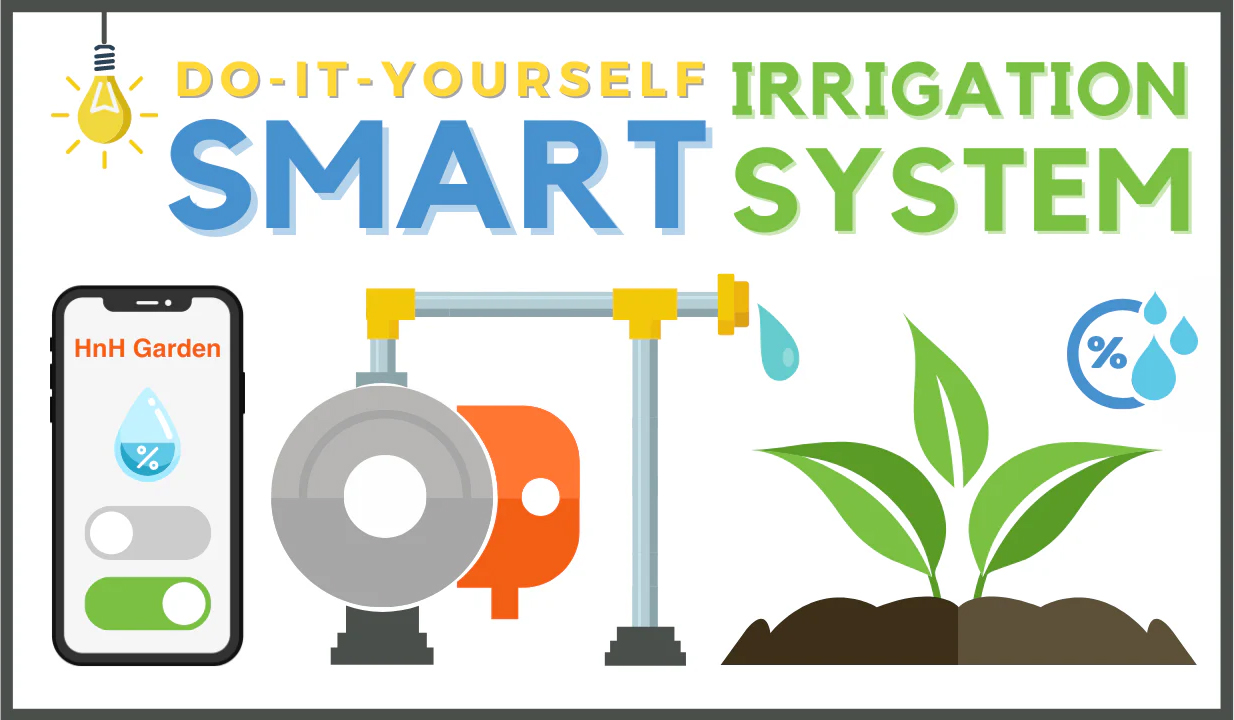
Traditional sprinkler systems waste a significant amount of water by operating on fixed schedules, regardless of weather conditions. Smart irrigation systems, on the other hand, analyze real-time weather data and soil moisture levels to determine optimal watering schedules. These systems prevent overwatering by skipping cycles during rain or adjusting output based on plant needs.
Many models can be controlled remotely via apps, providing flexibility for homeowners. By using water efficiently, smart irrigation systems lower utility bills, reduce environmental impact, and maintain healthier landscapes. Some systems also offer zone-specific watering, ensuring customized hydration for different plants.
10. Home Energy Monitoring Systems
Home energy monitoring systems provide real-time insights into electricity consumption, helping homeowners identify energy-hungry appliances and inefficient usage patterns. These devices track power usage down to individual outlets and generate detailed reports via smartphone apps.
Some models integrate with smart plugs, thermostats, and solar systems for comprehensive energy management. Alerts notify users when unusual spikes occur, allowing proactive adjustments.
By understanding consumption trends, homeowners can make informed decisions, optimize appliance use, and ultimately cut down on energy costs. Implementing an energy monitoring system is a key step toward a more efficient and cost-effective home.
How Should Homeowners Implement These Smart Home Automation Solutions in Smart Cities?
What Happens If Homeowners Don’t Implement These Smart Home Automation Solutions?
Failing to adopt energy-efficient smart home automation can lead to several drawbacks:
In conclusion, smart home automation is an essential investment for smart city homeowners looking to cut energy waste and save money. Understanding and implementing these solutions not only enhances home efficiency but also adds value, comfort, and security. By taking proactive steps, homeowners can enjoy long-term financial and environmental benefits while embracing a sustainable future.
If you are homeowner who wants to design your smart home with all these smart home automation solutions in most effective way. Then you to book a 60-minute, absolutely free design strategy call with us.
You can get to know more about How you can Cut Energy Waste & Save Money while making your Smart Home Automation by watching the video. This video will benifit you to understand 3 Secrets to craft your perfect Smart Home that Enhances Security, maximizes space, Reduce utility bills, and Makes Daily Living Effortless . click here to watch the video
