
In today’s fast-paced world, smart home technology is no longer a luxury—it’s a necessity. The Internet of Things (IoT) is revolutionizing home design, making spaces more efficient, comfortable, and secure. From voice-controlled lighting to AI-driven climate control, these cutting-edge upgrades seamlessly integrate convenience and style.
In this article, we’ll explore nine game-changing IoT innovations that will elevate your home’s functionality, aesthetics, and overall living experience. Whether you're looking for smarter security, enhanced energy efficiency, or a more personalized ambiance, these upgrades will transform your space into the home of the future.
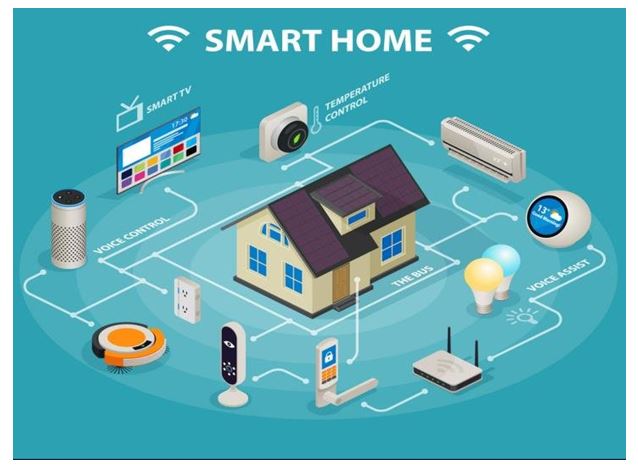
Why Is It Necessary to Understand IoT Home Design Upgrades?
In the rapidly evolving landscape of smart homes and smart cities, the Internet of Things (IoT) is revolutionizing the way people interact with their living spaces.
Understanding IoT home design upgrades is essential because it helps homeowners create efficient, sustainable, and comfortable environments that enhance their lifestyle. As technology continues to shape modern living, integrating IoT into home design is no longer a luxury but a necessity.
Smart home technology brings automation, convenience, security, and energy efficiency to a household. Without understanding these advancements, homeowners may miss out on the opportunity to maximize their comfort and reduce operational costs.
Moreover, in an era where smart cities aim to improve the overall quality of life, residents must align their home interiors with the latest technological innovations to fully benefit from urban advancements.
What Can Smart City Residents Gain from Understanding IoT Home Design?
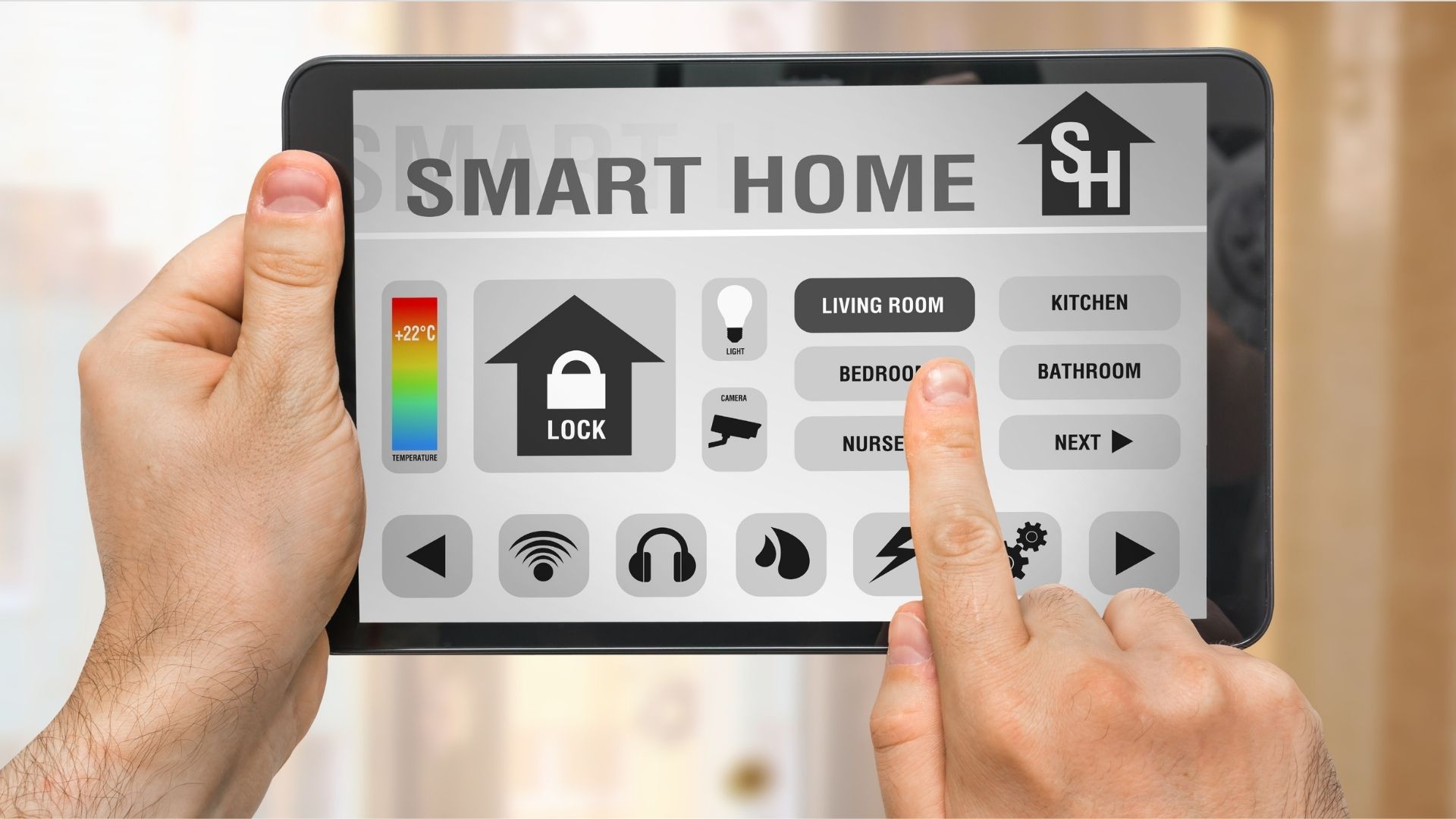
Smart city residents looking to incorporate IoT into their home interiors will experience several key benefits:
1. Enhanced Convenience and Automation
Understanding IoT home design allows homeowners to automate everyday tasks. From voice-controlled lighting systems to smart thermostats that adjust temperatures based on preferences, automation streamlines home management, reducing effort and time spent on mundane activities.
2. Health and Well-being Improvements
Smart air purifiers, climate control systems, and automated wellness trackers create healthier indoor environments. These technologies help maintain air quality, optimize humidity levels, and even track sleep patterns for overall well-being.
3. Improved Energy Efficiency
IoT-enabled home upgrades contribute to sustainability by optimizing energy usage. Smart lighting, thermostats, and appliances ensure minimal energy wastage, reducing electricity bills while promoting eco-friendly living.
4. Heightened Security and Safety
IoT-based security systems, such as smart locks, video doorbells, and motion sensors, provide real-time monitoring and alerts. Residents can remotely control security devices, enhancing safety and preventing unauthorized access.
5. Seamless Integration with Smart City Infrastructure
As smart cities develop, homes must align with digital advancements. Understanding IoT home design ensures that residences integrate smoothly with city-wide systems such as smart grids, public services, and traffic management solutions.
6. Personalized Living Spaces
IoT allows homeowners to customize their environment with tailored settings for lighting, music, temperature, and even scent. Personalized home experiences enhance comfort and make spaces more adaptable to individual needs.
7. Optimized Space Utilization
From smart furniture that adjusts its form based on usage to intelligent storage solutions, IoT helps residents make the most of limited space, a critical aspect for urban dwellers in smart cities.
8. Cost Savings and Resource Management
Smart water meters, automated window blinds, and AI-powered home management systems prevent resource wastage, leading to substantial cost savings over time.
How Should Homeowners Implement IoT Home Design Upgrades?
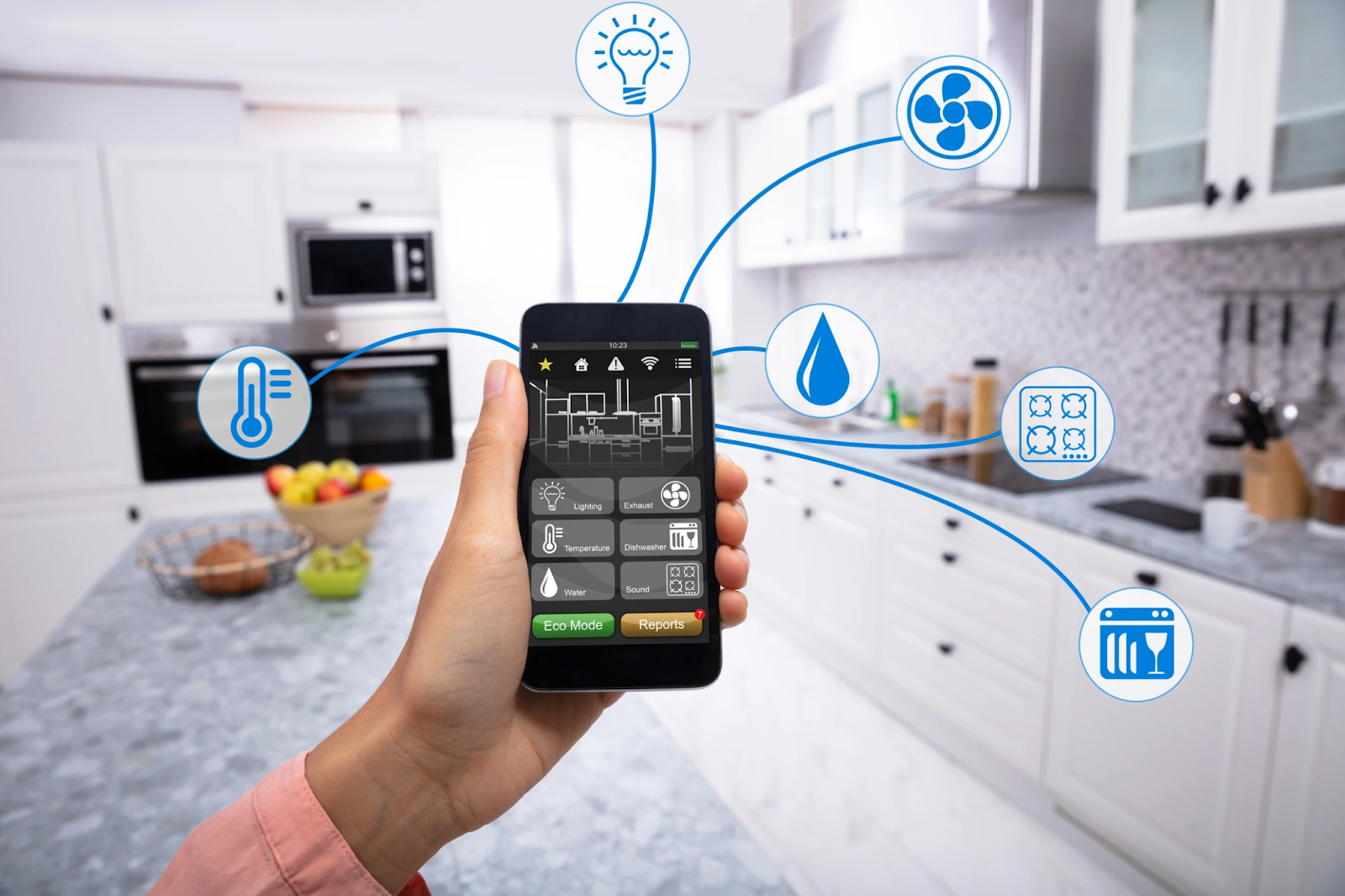
To successfully integrate IoT into their home design, residents should follow these steps
1. Assess Needs and Objectives
Identify the specific goals for upgrading to a smart home. Do you want to focus on energy savings, security, automation, or a combination of all three? Determining the purpose helps in selecting the right IoT solutions.
2. Choose Compatible Smart Devices
Ensure all selected smart home devices are compatible with each other and can be managed through a centralized system such as Google Home, Amazon Alexa, or Apple HomeKit.
3. Prioritize Cybersecurity
With increased connectivity comes the risk of cyber threats. Secure your smart home by using strong passwords, enabling two-factor authentication, and regularly updating device firmware.
4. Plan for Future Scalability
Design your home’s IoT ecosystem with scalability in mind. Choose modular and upgradeable solutions to accommodate future advancements in technology.
5. Start with Essential Upgrades
Begin with fundamental IoT upgrades, such as smart lighting, thermostats, and security systems. Gradually incorporate more advanced technologies as familiarity and confidence grow.
6. Ensure a Robust Network Infrastructure
A strong and stable internet connection is crucial for IoT functionality. Invest in high-speed Wi-Fi, mesh networks, or dedicated smart home hubs to prevent connectivity issues.
7. Seek Professional Consultation
While DIY installations are possible, consulting with smart home professionals ensures seamless integration and avoids technical errors.
8. Monitor and Optimize Performance
Regularly review smart home analytics to track energy consumption, device efficiency, and security logs. Making necessary adjustments improves performance and extends device longevity.
9. Educate Household Members
Everyone in the home should be familiar with the IoT systems in place. Providing basic training ensures smooth operation and prevents accidental disruptions.
What Happens If Homeowners Do Not Implement IoT Home Design?
Neglecting IoT home design upgrades can result in several disadvantages
1. Increased Energy Costs
Traditional homes consume more energy due to inefficient appliances and lack of automation. Without IoT integration, homeowners may face high electricity bills and unnecessary wastage of resources.
2. Lower Convenience and Comfort
Without IoT, homeowners miss out on the luxury of automated systems that enhance daily living. Adjusting lighting, temperature, and security manually can be time-consuming and inefficient.
3. Limited Security Features
Relying on conventional locks and surveillance methods can leave homes vulnerable to security breaches. Smart security systems provide real-time alerts, remote monitoring, and advanced protection that traditional setups lack.
4. Lack of Integration with Smart Cities
As urban environments embrace digital transformation, non-smart homes may struggle to integrate with city-wide IoT infrastructure, limiting access to shared services and benefits.
5. Missed Opportunities for Personalized Experiences
IoT-enabled homes offer dynamic customization for lighting, entertainment, and even sleep optimization. Not implementing these features results in a less adaptable living environment.
6. Environmental Impact
Smart homes contribute to sustainability by reducing energy and water consumption. Ignoring IoT upgrades increases the household’s carbon footprint, affecting both the environment and long-term expenses.
Understanding and implementing IoT home design upgrades is crucial for smart city residents who want to optimize their living spaces. By leveraging automation, security, energy efficiency, and personalization, homeowners can create modern, functional, and future-proof environments.
The benefits range from cost savings to enhanced comfort, while the risks of not upgrading include higher expenses, outdated infrastructure, and reduced property value. In an era of digital transformation, embracing IoT is the key to unlocking the full potential of a smart home.
If you are homeowner who wants to design your smart home and wani to integrate all these smart kitchen appliances in most effective way. Then you to book a 60-minute, absolutely free design strategy call with us.
You can get to know more about How you can design your smart kitchen with integratung smart kitchen appliences by watching the video. This video will benifit you to understand 3 Secrets to craft your perfect Smart Home that Enhances Security, maximizes space, Reduce utility bills, and Makes Daily Living Effortless . click here to watch the video
